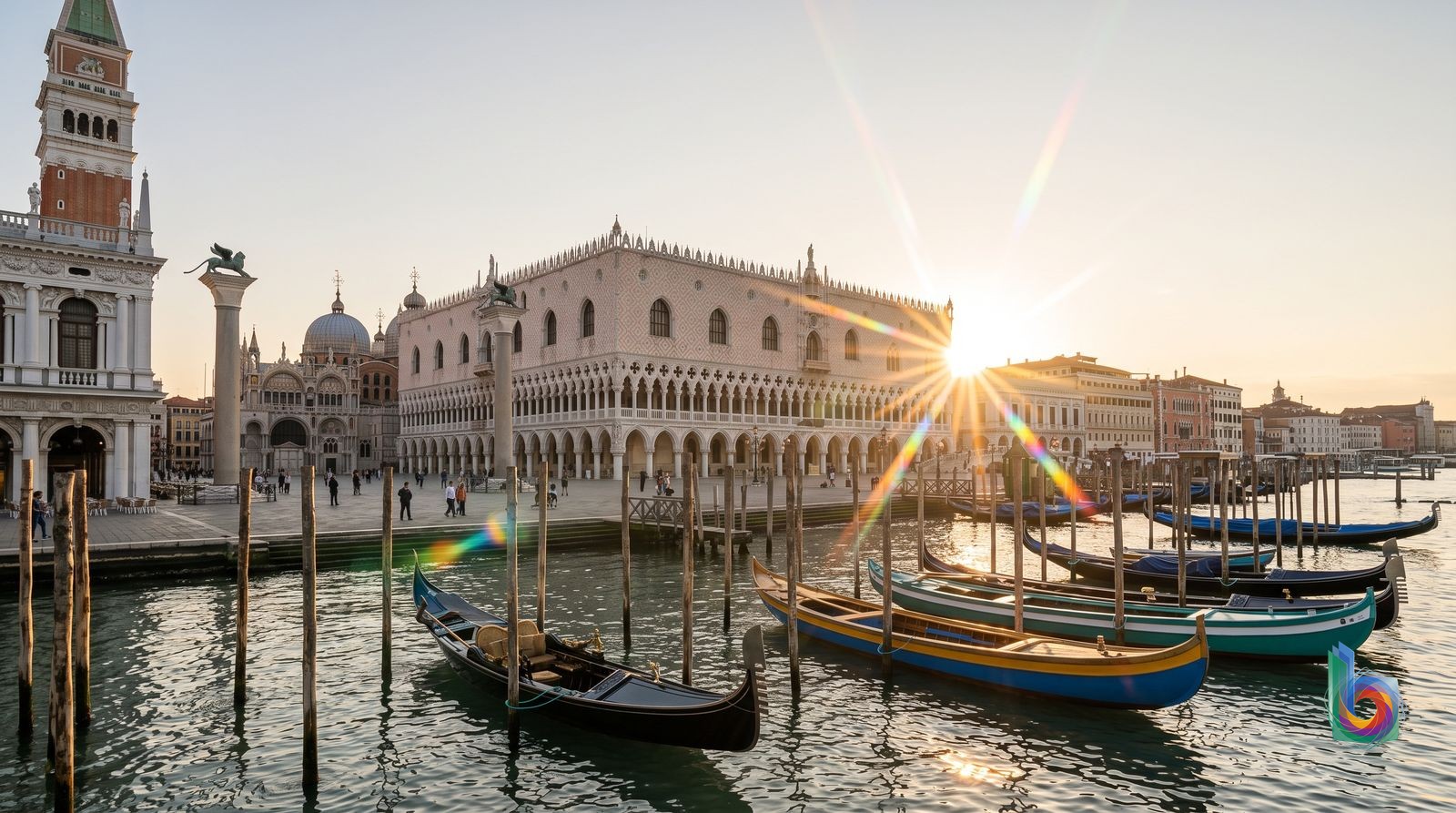
How many days do I need for a first visit to Venice?
Stay at least two nights and give Venice two full days; three nights is better if you want Murano, Burano or a slower district day without rushing. Plan no more than two major indoor sights plus one major area per day—bridges, queues and boats make this much slower than the map suggests.
Where should I stay in Venice for a first trip?
Stay on the island if the lagoon experience matters: Cannaregio, Dorsoduro and Castello give you more lived-in Venice than the relentlessly busy San Marco–Rialto corridor. Choose by the nearest vaporetto stop and the number of bridges from it, especially with luggage; Santa Croce is easiest for arrivals, while Mestre is cheaper and practical but not Venice proper.
What should I book before I arrive?
Reserve official timed entry for St Mark’s Basilica, the Doge’s Palace and St Mark’s Campanile in busy periods, usually 2–4 weeks ahead; book the Doge’s Palace Secret Itineraries tour earlier because places are limited. Book Clock Tower visits whenever available, and secure La Fenice opera, ballet or major-concert tickets as soon as your dates are fixed—much earlier for Carnival, Biennale openings and the Film Festival.
What is the best transfer from Marco Polo Airport to Venice?
Take the ATVO Airport Shuttle Line 35 to Piazzale Roma—about 20 minutes and roughly €10 one way—then walk or use a vaporetto to your hotel. ACTV Aerobus 5 is a similar city-bus alternative; use Alilaguna only if its stop is genuinely close to your hotel, and treat a private water taxi as an expensive splurge rather than the default.
How do I get around Venice once I am there?
Walk most short and central journeys, using yellow signs for Rialto, San Marco, Ferrovia and Piazzale Roma rather than trusting GPS or street numbers. Use ACTV vaporetti for longer trips and all island crossings: Line 1 is the scenic but slow Grand Canal ride, while Line 2 is usually the more useful faster circuit; do not drive, bring a bicycle or expect rideshare to work beyond Piazzale Roma.
When is the best time to visit Venice?
April–May and late September–October are the best first-visit compromise of walking weather and daylight, although Venice is never quiet. Avoid July–August if you can: it is hot, humid, mosquito-prone and crowded; winter is atmospheric and less busy outside Carnival but cold, damp and vulnerable to acqua alta, particularly around San Marco.
Are Carnival, the Biennale or the Film Festival good times to visit?
Go during those events only if the event itself is part of your trip: Carnival, Biennale openings and the late-August/early-September Film Festival bring sharp increases in crowds, hotel demand and booking pressure. Reserve lodging far earlier than usual, particularly near the Lido during the Film Festival, and do not expect winter quiet during Carnival.
Should I visit Venice as a day trip?
You can see the headline sights in a day, but it is the least satisfying way to experience Venice and concentrates you in the crowded San Marco–Rialto corridor. Overnight if possible; day visitors on designated peak dates should also check the official Access Fee calendar and registration rules before travel, while overnight guests are generally exempt but may still need to register.