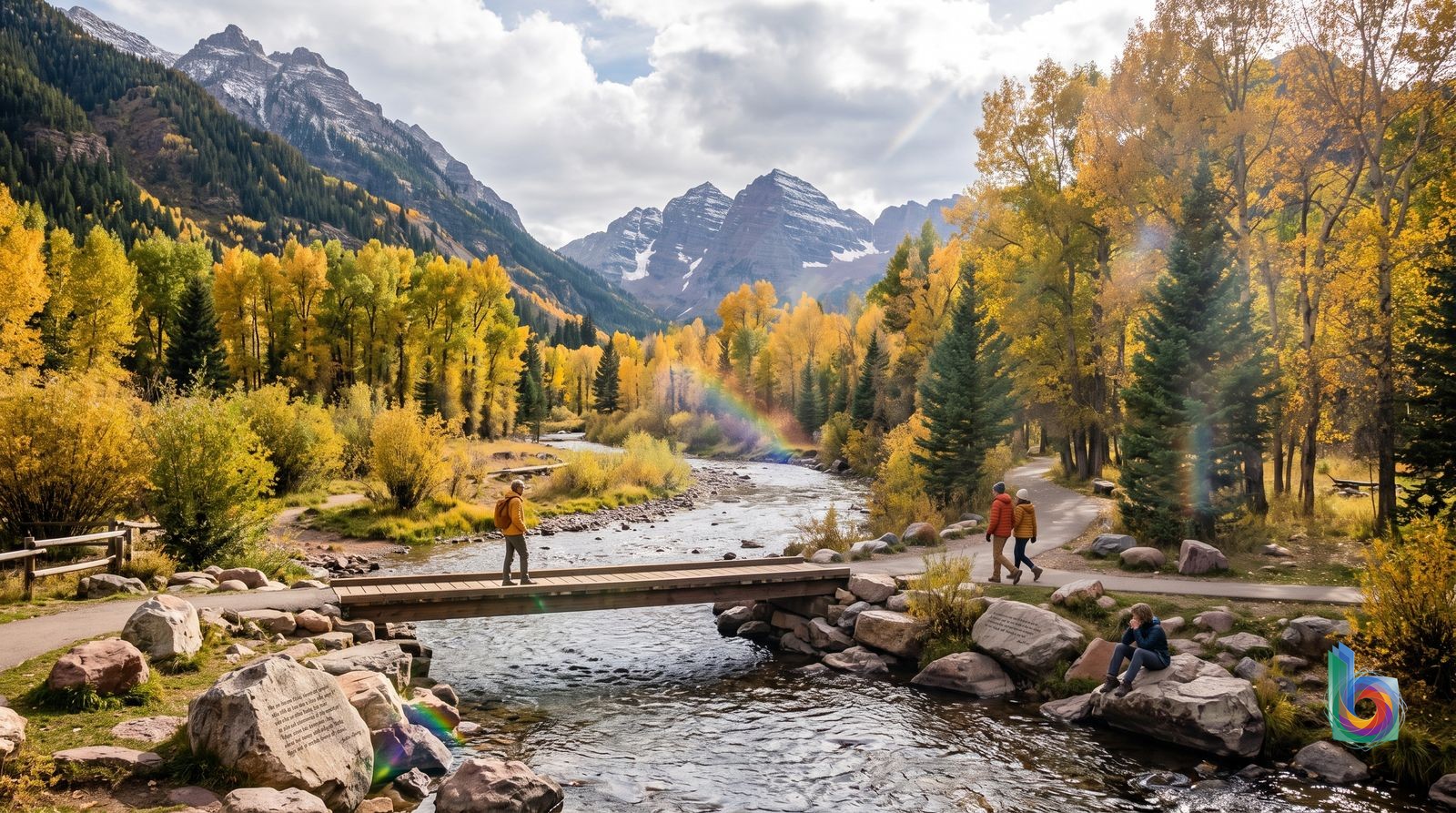
Season by season
January–March
The reliable heart of ski season. Late January through March offers the strongest odds of broad terrain and dependable snow; March adds warmer, often bluebird days. It is also Aspen at its busiest and most expensive, especially around holidays and major events.
Book lift tickets, lodging, dinner and airport transport early. March’s pleasant weather brings serious crowds, and winter storms can still disrupt roads and flights.
April–May
True spring shoulder season: snow and sun can alternate quickly, while lift, restaurant, lodging and road operations contract. Higher-elevation winter conditions can linger, but do not plan on a full ski-resort experience.
Expect reduced operations and uneven access. This is not the dependable window for either skiing or high-country hiking.
June–August
Prime hiking, biking and outdoor season, with long days and generally good access to the high country. Warm afternoons can bring thunderstorms and lightning; start exposed hikes early. Maroon Bells daytime traffic controls apply in the summer season.
Maroon Bells requires advance shuttle or timed-access planning during its restricted daytime period. Festival weeks can make rooms, flights and restaurants unusually hard to secure; afternoon storms are a real alpine safety issue.
September
A particularly appealing, generally calmer month, with beautiful early-fall conditions and less summer pressure. It remains a good time for hiking and biking, though weather can turn quickly at elevation.
The Labor Day Jazz Aspen Snowmass weekend can overwhelm availability, and early snow or changing road conditions are possible later in the month.
October–November
Another genuine shoulder season. Weather is variable, high-country access is increasingly uncertain, and many restaurants, hotels, lifts and roads reduce or pause operations. Late November may bring the start of ski season, but coverage and open terrain can be limited.
Do not assume Independence Pass or full mountain operations. This is the least reliable period for a destination-led outdoor itinerary.
December 1–15
Early ski season can be quieter and comparatively less expensive than the holidays, but not all terrain may be open yet.
Snow conditions and terrain openings are less dependable than from late January onward; check mountain operations before committing to a ski-focused trip.
Events worth planning around
X Games Aspen · Usually late January
One of Aspen’s biggest winter crowd generators. Expect pressure on hotel rooms, flights, restaurants and local transport; book lodging and any desired event access well ahead.
Presidents’ Day weekend · Mid-February, around the U.S. Presidents’ Day holiday
A major ski-weekend peak rather than a local festival. Lodging, lift tickets, dinner reservations and flights become expensive and scarce.
Food & Wine Classic in Aspen · Usually mid-June
A marquee summer event that can fill downtown rooms, restaurants and flights even if you are not attending. Secure lodging and festival tickets early.
Aspen Ideas Festival · Usually late June
This conference materially tightens hotel availability and can make Aspen feel unusually busy for early summer. Book rooms and transport early if your dates overlap.
Jazz Aspen Snowmass Labor Day Experience · Labor Day weekend, usually late August or early September
A major festival weekend that drives up demand for lodging, airport seats and transport. Reserve accommodation and festival tickets well in advance.
Christmas–New Year holiday period · Approximately December 16–January 1
Aspen’s most reservation-heavy winter stretch. Expect peak lodging and flight prices, busy lifts and scarce dinner tables; do not leave ski tickets or airport transport until arrival.
Getting around
Walking and biking
Downtown Aspen and the Aspen Mountain Base: the gondola, galleries, restaurants, John Denver Sanctuary and the Rio Grande Trail are close together. Nearer East Aspen addresses can also work for a walk or bike into town.
Stay central and do Aspen on foot; this is the rare Colorado ski town where a car-free downtown stay is genuinely practical. Use a bike in warm, dry conditions for the river and trail corridors.
This convenience fades fast outside the core. West End addresses farther toward the Aspen Institute, farther-east East Aspen, and all of Aspen Highlands, Buttermilk/West Aspen and Snowmass are not practical walks to town or lifts. Snow, ski boots, hills and winter darkness make even short-looking distances less pleasant.
RFTA and free local buses
The best car-free link for airport-area hotels, Buttermilk, Aspen Highlands, Snowmass Village and hopping among the four ski mountains. Local service around Aspen and Snowmass Village is generally free.
Use the local bus network rather than renting a car solely for town. Downtown Aspen is the natural hub; Snowmass buses help connect Base Village and the Mall/Upper Village, while regional RFTA service links the wider Aspen/Snowmass area.
The four mountains are not one walkable resort: Aspen Mountain is downtown, but Buttermilk, Highlands and Snowmass require a bus, shuttle or car. Service is less useful for hillside Red Mountain, rural Woody Creek and far-east East Aspen, and it is not a dependable late-night solution after dinner or bars.
Taxi, rideshare and hotel/private shuttles
Luggage-heavy airport transfers, a direct run between dinner and a lodging district, or avoiding winter driving. It is especially useful for Red Mountain properties and late returns to East Aspen, Aspen Highlands or Snowmass.
Have your hotel arrange its shuttle where available, and reserve a taxi or ride in advance when a flight, dinner reservation or show matters. From Aspen–Pitkin County Airport, a taxi/rideshare is typically the quickest option for a late arrival.
Do not treat on-demand rides as guaranteed: availability can be thin when flights bunch up, during storms and late at night. Woody Creek and Red Mountain are particularly poor places to assume a quick pickup, so arrange the return journey rather than hoping for one.
Car rental or private car
Independence Pass when it is open, Maroon Bells access outside its summer shuttle restrictions, down-valley exploring and a stay in Red Mountain, Woody Creek or a dispersed Buttermilk/West Aspen property. It also gives families flexibility between Snowmass and Aspen.
Rent only if these excursions or a remote lodging base are central to the trip; it is unnecessary for a Downtown Aspen or Snowmass Base Village ski holiday built around buses and lifts. Check road status before heading toward Independence Pass.
Winter mountain driving requires real capability and conditions can turn a short route into a slow or hazardous one. Independence Pass closes seasonally and is not a year-round Denver shortcut; summer Maroon Bells daytime access is restricted, so a car does not eliminate the need to reserve shuttle or timed access.
Safety: At nearly 8,000 feet, take your first day slowly—hydrate, limit alcohol and avoid big hikes or Highlands Bowl; in summer leave exposed ridges before afternoon lightning, and in winter allow extra time for snow-affected roads and flights.
Book before you land
Aspen Snowmass lift tickets: buy as soon as dates are fixed; booking 30+ days ahead can save up to 25%, and peak holiday weeks should not be left to arrival. · Maroon Bells shuttle/timed access in the summer season. Private vehicles are restricted during the daytime window cited for summer (8am–5pm); reserve the shuttle/access arrangement before building your day around it. · Belly Up shows and other headline concerts: it is a small downtown room, so buy when the artist is announced, not after landing. · Festival tickets and lodging for Food & Wine Classic, X Games, Aspen Ideas Festival and Jazz Aspen Snowmass. Even if an event ticket remains, beds and airport seats may not. · Silver Queen Gondola tickets on busy summer or holiday dates if it is a must-do; it is less urgent than Maroon Bells or a sold-out concert, but booking online avoids a preventable queue.
- Aspen sits near 8,000 feet. Treat your first day as acclimatization: hydrate, eat, limit alcohol, use sunscreen, and do not make a Highlands Bowl or fourteener attempt your arrival-day plan. Headache, nausea and unusual breathlessness are not badges of honor.
- This is an expensive resort town. Prices often exclude sales tax and restaurant service; budget for customary U.S. tipping—roughly 18–22% for table service—and do not expect bargain walk-up skiing.
- Dress for fast changes, not the forecast at breakfast. Summer afternoons can bring lightning; leave exposed ridges early. Winter flights and roads can be disrupted by snow, so build slack into airport days.
- Book dinner reservations during ski season and event weekends. Downtown is small, which makes it easy to walk—but also means the desirable rooms fill quickly.
- Keep wildlife and mountain terrain in perspective: stay on marked ski and hiking routes, check conditions, and do not treat the Maroon Bells as a casual summit. The peaks are beautiful; climbing them is serious alpine terrain.
- If you are driving, check seasonal road status before heading toward Independence Pass. It is a spectacular summer drive, not a reliable route between Aspen and the Front Range.
Worth leaving the city for
Maroon Bells–Maroon LakeHalf day to a full day — realistically 4–7 hours door to door, depending on shuttle timing and whether you add a longer hike.
This is the one non-negotiable escape from town: the classic view is genuinely spectacular, and the easy lakeside walks deliver more alpine payoff than another round of shopping and après in Aspen. In summer, private vehicles are restricted between 8am and 5pm, so use the required shuttle rather than trying to drive in. Go early; the photography crowds are real.
Independence Pass and the Continental DivideHalf day — allow 4–6 hours from Aspen for stops and the return drive.
A summer-only drive east of Aspen that makes the case for having a car: high-alpine switchbacks, Continental Divide scenery and Independence ghost town. It beats a city day if you want mountains without committing to a serious hike. It is not a winter option: the pass closes seasonally, and weather can change fast even in summer.
Glenwood SpringsFull day — roughly 1 hour each way by car in good conditions, plus enough time to make the hot springs worthwhile.
Go for a soak and a change of atmosphere. Glenwood has a historic downtown and the largest hot-spring pool in the US; it is a much more distinct outing than simply moving between Aspen and Snowmass. The downside: it is a proper down-valley commitment, not a quick scenic detour, and pool admission is not cheap.
CarbondaleHalf day — about 40 minutes each way by road, plus time in town.
Forty minutes downvalley, Carbondale is Aspen’s useful antidote: more relaxed, artsy and less relentlessly expensive, with galleries and a notably broader restaurant mix. It is most worth it during the free, three-day Mountain Fair in midsummer; otherwise go only if you want a low-key lunch-and-gallery break rather than another marquee sight.