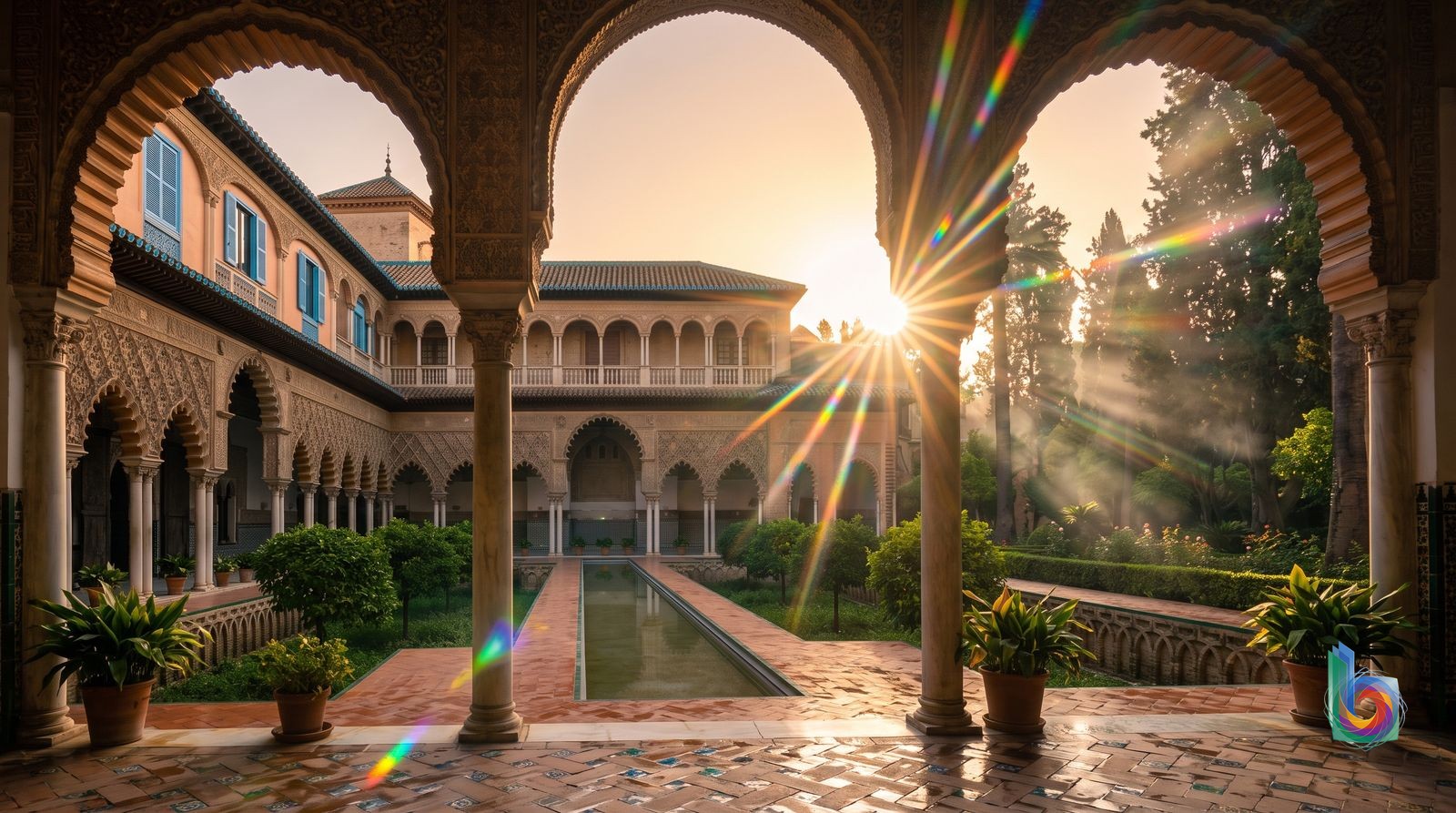
How many days do I need for a first visit to Seville?
Give Seville three full days; two is enough only for the Alcázar, Cathedral/Giralda, Santa Cruz and a quick river/Triana walk. Limit yourself to two major ticketed sights in a day—the Alcázar gardens, Giralda climb and summer heat make ambitious checklists miserable.
Where should I stay on my first trip to Seville?
Stay in or just outside the walkable historic core: El Arenal is especially practical for the cathedral, river and Plaza de Armas, while the Cathedral/Alfalfa edge gives the fullest old-city experience. Santa Cruz is beautiful but tourist-heavy and its tight lanes can be awkward with luggage; choose Triana for a more distinct neighbourhood feel, accepting a walk across the river to the main monuments.
What should I book before arriving?
Book an official timed ticket for the Real Alcázar as soon as your dates are fixed; it is the one essential advance reservation, particularly in spring and around festivals. Also prebook the Cathedral/Giralda in busy periods, and reserve a specific small-venue flamenco show a few days ahead—or much earlier during Semana Santa and Feria.
What is the best way to get from Seville Airport to the centre?
Take the TUSSAM EA airport bus rather than paying for a pre-booked transfer: it links SVQ with Santa Justa, Plaza de Armas and useful central stops in about 35 minutes for roughly €6 one-way. Take a regulated taxi instead only if you arrive late, have heavy luggage or are sharing; expect roughly €25–30 and 15–20 minutes to the centre.
What is the best time of year to visit Seville?
Late February–March, early May after the big festivals, and October–November are the best compromises for comfortable walking and a normal sightseeing rhythm. Avoid Semana Santa and Feria de Abril for a first uncomplicated visit unless the festivals are the reason you are coming: they reshape access, availability and prices.
Is Seville worth visiting in summer?
Yes, but July and August are brutally hot and demand a dawn–siesta–late-evening schedule rather than all-day sightseeing. Put the Alcázar or another indoor visit in the hottest hours, carry water and sun protection, and do not count on a midday horse-carriage ride as a sensible heat solution.
Do I need a car or should I use public transport?
Do not rent a car for Seville: the historic lanes are hostile to driving, parking is troublesome and break-ins are a known risk. Walk the old centre, use the short tram for the Prado–Cathedral–Plaza Nueva corridor, and take taxis/Cabify or buses for longer trips; the single metro line is useful around Plaza de Cuba, Prado and San Bernardo, not for the core sights.
How should I fit flamenco and tapas into a first itinerary?
Book a formal flamenco show only if you have a particular small venue or evening in mind; otherwise, La Carbonería offers free nightly performances, though you should arrive early for a seat. Eat on Seville’s schedule—dinner commonly starts after 20:30—and look beyond Santa Cruz for less theatrical eating and drinking, especially Alameda de Hércules and Triana.